
Almost every WordPress redesign I take on starts the same way: a site built with a page builder, twenty to forty plugins, a mobile PageSpeed score in the 30s, and an owner who is afraid to click “Update”. The site usually looks fine. The problem is everything underneath it.
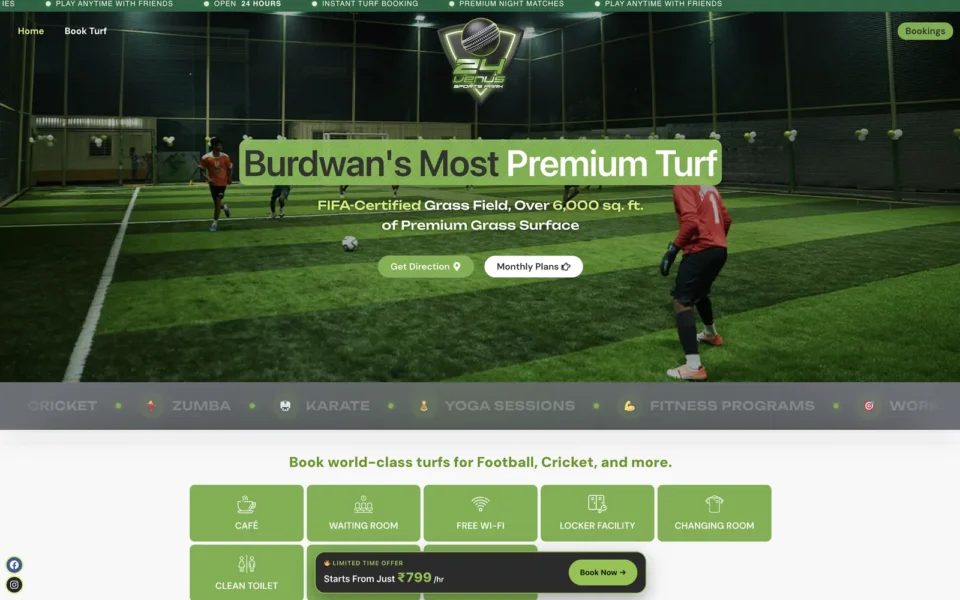
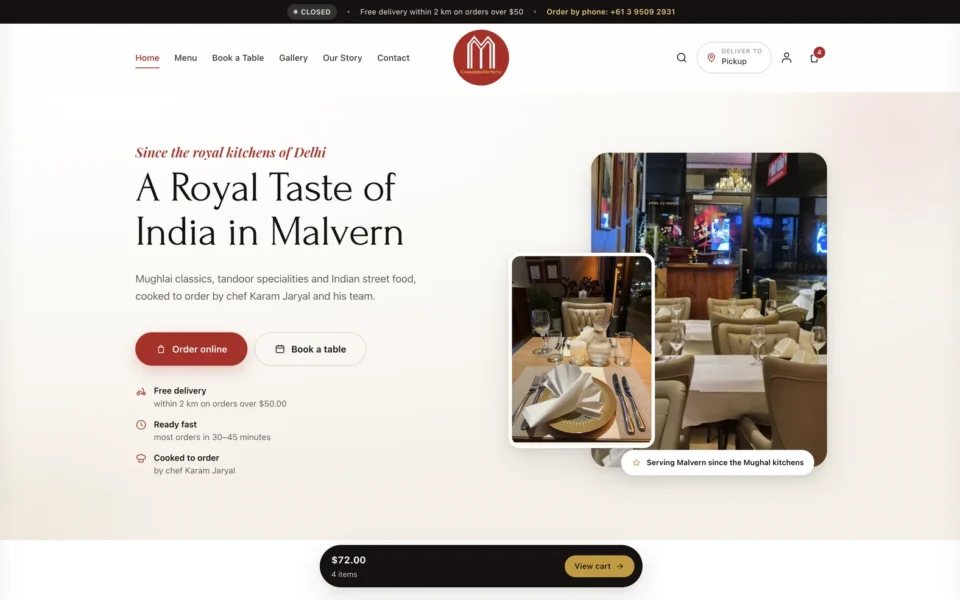
Since 2019 I have built most of my client sites as hand-coded WordPress themes — the restaurant sites for Moti Mahal and Deanatella’s, the medical-technology site for BioMotion, YOUnique Wellness, OhioSEA and this portfolio. This article explains why, what it looks like in practice, and when I would still recommend a builder.
What a page builder actually costs you
A builder such as Elementor or Divi is a second layout system running on top of WordPress. Every section, column and widget becomes nested markup with its own settings, and the builder loads the CSS and JavaScript it might need on most pages. That has three practical consequences:
- Performance. Pages ship code they never use, which hurts Largest Contentful Paint and Interaction to Next Paint on mid-range phones — exactly the devices most of my clients’ customers use.
- Fragile editing. Content and layout are mixed together. Changing a heading can break spacing on mobile, and a well-meaning edit can undo the design.
- Lock-in. The content is stored in the builder’s format. Turn the builder off and pages become shortcodes or empty blocks, which makes the next redesign far more expensive.
What I build instead
A custom theme is a set of PHP templates written for one site’s content. The design lives in code; the content lives in normal WordPress pages, posts and custom post types. Editors change text and images, not layout.
In practice that means:
- Custom post types for real content. Projects, menu items, publications or rooms each get their own type with the fields they need, instead of being faked with page-builder sections.
- Templates that load only what they use. A chart library loads on the one page with a chart. Animations load only where there is motion.
- A small, predictable front end. Hand-written CSS (often compiled with Tailwind), a few Alpine.js components and GSAP only where movement helps — with reduced-motion handling.
- Admin screens for the business. When a client needs to manage availability, menus or leads, I build a screen for that task instead of exposing a generic settings page.
Here is the kind of code that replaces a builder “portfolio grid” widget. It registers a real content type that editors manage from the dashboard:
add_action( 'init', function () {
    register_post_type( 'project', array(
        'label'        => 'Projects',
        'public'       => true,
        'has_archive'  => false,
        'rewrite'      => array( 'slug' => 'work' ),
        'supports'     => array( 'title', 'editor', 'excerpt', 'thumbnail' ),
        'show_in_rest' => true,
    ) );
} );
And this is how a script is loaded only where it is needed, instead of on every page:
add_action( 'wp_enqueue_scripts', function () {
    if ( is_page( 'pricing' ) ) {
        wp_enqueue_script( 'chart', get_theme_file_uri( 'assets/vendor/chart.min.js' ), array(), '4.5', true );
    }
} );
“Can I still edit my site?”
Yes — and usually more safely than before. Pages are edited in the standard WordPress editor, menus under Appearance → Menus, and business data in purpose-built screens. What editors can’t do is accidentally break the layout, because layout isn’t stored in the content.
When a page builder is the right choice
I don’t think builders are always wrong. They make sense when:
- The budget only covers a template, and the owner wants to design pages visually without a developer.
- A marketing team needs to launch many one-off landing pages quickly and accepts the performance trade-off.
- The site is temporary — an event page, a short campaign.
For a business website that should last years, rank well and grow with the company, a custom theme is usually cheaper over its lifetime, even if it costs more on day one.
What to ask any WordPress developer
- Will the theme work without a page builder installed?
- Which plugins will the site depend on, and why each one?
- Who owns the code, and is it in my hosting account or repository?
- What are the mobile Core Web Vitals of sites you have launched?
If you’d like a custom theme, or want to move an existing builder site to one without losing your search rankings, see custom WordPress development or the case studies.